Wednesday, October 02, 2013
Tuesday, October 01, 2013
Wednesday, September 18, 2013
Monday, September 16, 2013
Tanglaw
Tanglawan
Mga kaluluwang yakap ng dilim
At mga pusong bagabag
Puspos ng gulo’t kawalang saysay
Tanglawan
Mga anino ng kahapong
Tangan ay bulag sa sulyap sa ngayon
At kawalan ng pakialam sa kapwa
Na tila baga sila’y ‘di kapatid.
Magkaisa, mga Anak ng Liwanag
Magpakatibay kayo
Ang panaho’y dumating
Upang ang tunay na layunin’y gampanan na.
Isang dakilang pagkakataong
Ibahagi ang banal na alay
Na buhat sa dambana ng inyong kaluluwa
At ipagdiwang ang inyong tunay na pagkatao.
Ngayon ang pagsilang ng isan bagong mundo
Na nais nating matunghayan
Na ating aabutin
Sa pamamagitan ng pagmamahalan at pagsabay sa musika ng sanlibutan.
Isinalin sa Filipino ni Neph Botor, hango sa tulng “Light” ni Ome
Bailey, handog para sa TANGLAW, DIWA, LIKHA ng Makiling (28-29 Hunyo 2013)

Saturday, September 14, 2013
Friday, September 13, 2013
Thursday, September 12, 2013
Tuesday, September 10, 2013
Ako ay nagbalik....
Pasensiya na...napakatagal na pala ng huli kong post dito...naging busy kasi eh...tsaka gawa ng FACEBOOK!
Pangako, pipilitin ko na uling mag-post dito...:D
Tuesday, August 13, 2013
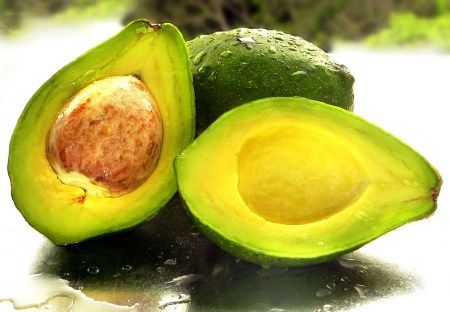
What Are Avocados Good For?
Bravo, Avocado!

Serving Size: One avocado, peeled (136 grams)
Avocado Healthy Recipes
Ingredients:
Article Source: http://foodfacts.mercola.com/avocado.html

Avocado Nutrition Facts
Botanical name: Persea Americana
Spanish conquistadors had their own historian, Oviedo, who reported
positively about avocados discovered in Mexico around 1519. But this
interesting fruit has graced Central and South America for perhaps 10,000
years, according to the avocado-inspired drawings and artifacts found in early
Aztec settlements.
A judge from Santa Barbara took the first Mexican avocado trees to
California in 1871. California now grows 90% of the U.S. avocado crop in more
than 6,000 groves.
To enjoy an avocado (also called an "alligator pear"), it
first has to be prepared. A common chef's maneuver: cut around the long side of
the fruit down to the seed with a large knife. Twist the top half off like a
jar lid. Then firmly tap the knife blade on the center of the seed a few times
until it sticks. Practice makes perfect. Twist the knife and voilà – it's out.
Carefully score the avocado flesh without nicking the peel, and then scoop it
out with a spoon.
Health Benefits of Avocado
When it comes to nutrition, avocados are in a class by themselves
because of the unusually large number of benefits they offer - more than 20,
last count. Loaded with fiber, one avocado contains 36% of the daily
requirement of vitamin K, 30% of the folate, and 20% each of the daily
requirements of pantothenic acid (vitamin B5, needed to break down
carbohydrates), vitamin B6, vitamin C, and potassium - more than twice the
potassium of a banana. Vitamin E, niacin, and riboflavin levels deserve
honorable mention. Eaten with other foods, your body is better able to absorb
the nutrients, such as alpha- and beta-carotene and lutein.
Avocado is one of the few fruits that will provide you with
"good" fats. That means it can help keep your cholesterol levels
already in the healthy range, and help lower your risk for heart disease.
Avocados are one of the best fruits for your health. See: The Best and
Worst Vegetables to Eat
Avocado Nutrition Facts
Serving Size: One avocado, peeled (136 grams)
- Calories: 227
- Fat: 18 g
- Saturated Fat: 3 g
- Carbohydrates: 12 g
- Fiber: 9 g
- Sodium: 3 g
Studies Done on Avocado
Loosely described, lipids, their derivatives, and related substances
are fatty acids. Scientists discovered only 40 years ago or so that they're not
just simple building blocks, but perform complex, cell-regulating tasks on a
molecular level, like messaging hormones, for example.
One study was undertaken to see if avocados might have more lipids than
other fruits and vegetables, which, while rich in carotenoids, are lipid
challenged, impeding nutrient absorption. Researchers found that adding
avocados to salad and salsa (foods used in the study) can significantly enhance
your body's ability to take up the benefits of carotenoids, due primarily to
the lipids in the avocados1.
The yellow-green color of avocados prompted another study, since color
in other plant-based foods indicates carotenoid and other "bioactive"
action, indicating possible cancer-fighting properties. The premise was that
the monounsaturated fat in avocados might help your body absorb important
bioactive carotenoids in combination with other fruits and vegetables, and
therefore significantly reduce your risk of cancer2.
Another study showed that the lipids extracted from avocados might
prove photo-protective against harmful effects of radiation, such as sun
damage, inflammation, and even skin cancer, if ingested before exposure3.
Avocado Healthy Recipe: Crisp and Crunchy Green Salad
Avocado Healthy Recipes
Ingredients:
- 1 head red- or green-leaf lettuce, or Romaine
- 1 whole avocado, chopped into chunks
- 1 cup of sunflower seed sprouts
- 1 medium tomato, chopped small
- 1 medium cucumber
- ¼ cup toasted pine nuts
Dressing:
- ¼ cup olive oil
- 1/8 cup balsamic vinegar
- 1 clove garlic, crushed
- 1 teaspoon Dijon mustard
Procedure:
- Prepare the lettuce leaves and place in a large bowl.
- Cut up the remaining vegetables and add them to the salad.
- Toast the pine nuts in a dry skillet on medium heat for 4-5 minutes or until lightly browned.
- Whisk together the olive oil and vinegar, add the crushed garlic, pour over the salad and serve immediately. Makes 4 servings.
Avocado Fun Facts
Because ancient Aztecs considered avocados a fertility fruit, and the
Mayans used them as an aphrodisiac, a stigma against the fruit carried clear
through the 19th century. Growers finally launched a campaign to convince
consumers they could eat avocados without compromising themselves.
Summary
Not just for guacamole, sliced avocados lend a buttery texture and
delicious flavor to sandwiches and salads. But the health benefits of avocados
are stellar, especially with the lipid content that allows your body to absorb
nutrients they wouldn't otherwise.
Avocados are also very high in essential vitamins and minerals,
including fiber, vitamins K, B5, B6 and C, folate, and potassium.
Other sources:
http://nutritiondata.self.com/facts/fruits-and-fruit-juices/1844/2
http://www.avocado.org/recipe-details/view/31488/baby%27s-first-california-avocado
http://www.mnn.com/food/healthy-eating/stories/avocado-nutrition-facts-great-benefits-from-a-mighty-fruit
http://www.avocado.com
http://lipidlibrary.aocs.org/Lipids/whatlip/index.htm
http://www.bonappetit.com/recipes
References:
1 http://www.ncbi.nlm.nih.gov/pubmed/15735074, Carotenoid absorption
from salad and salsa by humans is enhanced by the addition of avocado or
avocado oil, Aug. 2012
2 http://www.ncbi.nlm.nih.gov/pubmed/15629237, Inhibition of prostate
cancer cell growth by an avocado extract: role of lipid-soluble bioactive
substances, Aug. 2012
3 http://www.ncbi.nlm.nih.gov/pubmed/20978772, Polyhydroxylated fatty
alcohols derived from avocado suppress inflammatory response and provide
non-sunscreen protection against UV-induced damage in skin cells, Aug. 2012Article Source: http://foodfacts.mercola.com/avocado.html

Saturday, August 10, 2013
Stevia: The Wonderful Sugar Substitute

Stevia: Why This Sugar Substitute is Good For You and Which Ones to Buy
By Esse Johnson
It may seem at first boring and mundane, but there’s good reason to become familiar with the history of the now famous shrub. While modern science is in a tizzy to nail down and agree upon health benefits of stevia, its history has much to expound.
Origins
The stevia plant is part of the large sunflower family and native to subtropical parts of South and Central America, Mexico, and the US states Arizona, New Mexico and Texas. The Guarani people were historically nomadic and are now known to Paraguay, parts of Argentina, Brazil, Uruguay and Bolivia. The Guarani are said to have used the “candy leaf” for more than 1500 years. In their native tongue it’s called ka’a he’ê, which means sweet herb.
This nation of people has used the herb for sweetening mate, a common tea drink, as well as a refreshing treat just chewing the leaf. But they’ve also known it to be medicinal, and to this day herbal medicine in Paraguay and Brazil uses stevia to treat illness and promote health.

Modern Use
Notably, Japan has also been using the plant leaf and one of its extracts, stevioside, for many decades. In fact, after years of rigorous testing to ensure the plant’s safety, stevia now dominates 40% of all table and food additive sweeteners in the Land of the Rising Sun.
Additionally, many outside of the US have long since found that stevia can help to protect the gums and teeth, making it suitable for use in toothpastes and mouthwashes.
In the US, however, there has been controversy. Despite the plant’s 1500+ year track record of approval, the FDA banned its import in 1991 calling the sweet leaf an unsafe food additive. There was and is a common assertion that the FDA’s original rejection was not in the interest of public health, but Monsanto’s booming line of artificial sweeteners. Whatever the case, the ban was greatly contested and by 1994, lifted. From there, sellers had to position and market stevia as a nutritional supplement, marginalizing the product to health-buffs and possibly preventing a mass exodus of calorie-counting buyers from the synthetic to the leaf.
Fifteen years later the FDA gave the nod, not to the use of the whole plant but to extraction of so-named “active constituents.” Today, the whole stevia plant is still considered a supplement and cannot be used as a food additive. But as of 2009, instead of the whole leaf, the FDA has approved the use of “stevia-based” sweeteners.
This makes the products patentable. A plant cannot be patented and owned; but a process of extraction and the resulting product can be, and this makes for much better profits to the manufacturer. Thus, CocaCola and PepsiCo grabbed their corner of the sugarless market via their products Truvia and PureVia, respectively.
Therapeutic Value of Stevia
According to a report from the Pakistan Agricultural Research Council:
In addition to being a sweetener, stevia is considered (in Brazilian herbal medicine) to be hypoglycemic, hypotensive, diuretic, cardiotonic and tonic. The leaf is used for diabetes, obesity, cavities, hypertension, fatigue, depression, sweet cravings, and infections. The leaf is employed in traditional medical systems in Paraguay and Brazil.
The maker of Body Ecology’s Liquid Stevia Extract shared on his website that stevia’s use extends to softening skin, smoothing wrinkles and even healing blemishes and wounds. Perhaps most researched to-date is the sweet leaf’s effects on blood sugar, and its potential in preventing, or healing, diabetes.

Sweet Leaf and Blood Sugar
Numerous animal and human studies from around the world have demonstrated that stevia is safe. One of the hottest questions in the scientific community now is whether or not the leaf also has the power to keep blood sugar levels under control.
In a 2011 animal study, researchers fed diabetes-induced rats stevia for 10 days and compared the results to a placebo group. The blood glucose level of the stevia group showed “delayed but significant decrease,” yet, unlike the conventional drugs, it did not cause hypoglycemia. This is GOOD. In addition, whereas the drug has been known to cause unwanted weight loss, the stevia resulted in “lesser loss in the body weight as compared with standard positive control drug glibenclamide.”
The herb has been shown to nourish the pancreas and encourage more insulin production, perhaps lending to the increase of insulin and insulin sensitivity. But these results are still inconclusive. Concerning its efficacy in improving the type 2 diabetic condition, there have been mixed results. Some have found that people with type 2 diabetes experience significantly lowered blood sugar after consuming stevia; whereas others have shown little to no difference. Nevertheless, people in Brazil and Paraguay have been using the herb to prevent and treat the condition. No doubt, further clinical and epidemiological studies need to be done.
Importantly for type 2 diabetics and others looking to swat out sugar, the natural sweet leaf has a glycemic load of 0, which means it does not raise blood sugar or cause an insulin spike.
Improves Hypertension, Heals Wounds and More
Research over the years has also shown that stevia may help to lower high blood pressure. Some skincare products have incorporated the ingredient as a skin tightener and to improve complexion. Since the first millennium stevia has been applied to wounds for its antibacterial cleansing powers and to assist in healing. Some have even claimed results applying it to flare-ups of eczema, psoriasis and dermatitis. If you have one of these on your scalp, for instance, proponents say try adding a little whole leaf stevia extract to your shampoo. It may burn a wee bit at first, but the discomfort should quickly subside and you may see an overall reduction in inflammation, redness, itching and flaking. If you try it, or already have, let us know!

Potential Counterfeits & What to Buy
It’s likely that stevia’s health benefits are real but mild and varied, but there is no scientific argument against its benefits as a sugar replacement, nor its safety as a food additive. Yet, the FDA has done a strange thing:
- They’ve declared as potentially unsafe a leaf that has been apparently safely used for a screamingly long time;
- put the stamp-of-approval on toxic chemical artificial sweeteners that are now demonstrated to cause cancer and a slew of mild and severe chronic illnesses including obesity and diabetes 2; and then
- approved for the GRAS list (generally regarded as safe) a scientifically unproven-as-safe fraction of the whole, utilizing primarily rebaudioside A.
To make them, rebiana is pulled out from stevia’s synergistic body of plant chemicals and used solely for its strength as a sweetener. We’ve thoroughly researched and observed the safety of the whole leaf, but how do we know that rebaudioside A is, by itself, completely safe over the long haul?
Answer: we don’t.
It could be, but as of yet we don’t have enough experience or long-term studies to be sure. Without the remaining agents of the plant our bodies are likely to respond differently. Even if nature fully provided all we need to properly digest and make use of the plant, by throwing out everything but the sweet we could find ourselves snagged in a health risk, yet again.
So, my recommendation is to stick to the whole leaf at least until we know more. Whole leaf stevia can have a strong aftertaste, but this is largely a result of the method of processing. Try out different brands till you find the one you like best.
Stevia can be enjoyed in beverages, salad dressings, cooking, baking and more.
References:
Stevioside and related compounds: therapeutic benefits beyond sweetness
Antidiabetic activity of medium-polar extract from the leaves of Stevia rebaudiana Bert. (Bertoni) on alloxan-induced diabetic rats
Evaluation of supplementary stevia (Stevia rebaudiana, bertoni) leaves and stevioside in broiler diets: effects on feed intake, nutrient metabolism, blood parameters and growth performance.
An evidence-based systematic review of stevia by the Natural Standard Research Collaboration.
Other Sources
Agriculture Information: Medicinal Properties of Stevia
PARC: Sugar Leaf, A New Breed of Sweetener
Stevia Science an Diabetes Mellitus
Body Ecology: A Brief But Interesting Early History of Stevia
Stevia: The Holy Grail of Sweeteners
http://www.stevia.net/history.htm
Stevia
Stevia: A Healthy Sweetener for Diabetics?
The World’s Best Kept Natural Sweetener REVEALED! (Free Report by Dr. Mercola)
Article Source: http://www.bewellbuzz.com/nutrition/why-stevia-is-great-sugar-substitute/
Monday, August 05, 2013
The Indigo Evolution Full Length Documentary Indigo Children
"The Indigo Evolution" is a documentary that attempts to answer the question - Are these 'Indigos' only the fanciful notions of a few individuals embracing new-age, metaphysical beliefs, or is there real evidence that they truly do exist? Most importantly, why are they here and how can we help them achieve their goal of creating a world based upon the laws of compassion and peace? Interviews with some of the most profound children on the planet today combined with discussions with authorities in the fields of medicine, psychology, education, philosophy, and religion will provide information for the viewer to draw their own conclusions to these questions.
'The Indigo Evolution' is a documentary about the shifting human, evolving beyond the five sensory perceptions into a multi-sensory being of light ! The term Indigo refers to the Indigo color Aura seen around certain individuals who exhibit certain enhanced abilities well beyond their age and learning. Commonly labeled as suffering from some kind of deficit (ADD, ADHD, Dyslexia ...) these children clearly have more of something most of us fail to recognize. Their non conformance to authority and the social conditioning sometimes earns them the label of being problem children.
Indigo Evolution, a feature-length documentary by James Twyman, was released Jan. 28, 2006 in more than 350 churches and wellness and spiritual centers around the world. The attendance far exceeded expectations, demonstrating how interest in understanding the "Indigo phenomenon" has grown. Indigo Evolution illuminates the lives of children who are referred to as "Indigos." The movie describes them as creative, eccentric and independent. Impatient with the status quo, these children possess a high degree of integrity and intuition. Many are both intelligent and gifted, often in the areas of art and technology, and some are said to bring healing gifts.
According to Indigo Evolution, Indigos often sound very wise for their age; however, they are very sensitive physically, emotionally and spiritually, and not always comfortable in their own bodies. They easily experience sensory overload to lights, smells, sounds, touching and toxins, and need help in becoming grounded. Many Indigos have attention and social problems in school and may frequently correct the teacher. While their behaviors vary, their philosophy of life is consistent; they have a high level of social consciousness and desire to make the world a better place. They are here to bring the Dawn of the Golden Age!
Hopi Elders reveal ancient prophecies:
After the premiere test screening of "The Indigo Evolution", the Hopi nation contacted James Twyman, and told him that they were willing to reveal their ancient and guarded secrets about the children of the planet in this movie. The new section containing interviews with Hopi elders about their ancient prophesies and how they relate to the Indigos was added to the documentary. Their message was astounding, and has now become the central theme for the entire film. The Hopi elders shared that it is not too late to reverse the tide of earth cleansing, but only if we come together, and the children have a critical role to play.
About the Filmmakers:
James Twyman (Producer / Director) is a singer/songwriter and the author of "Emissary of Love-The Psychic Children Speak" and "Messages from Thomas: Raising Psychic Children." James wrote and was the Executive Producer for the movie INDIGO which premiered in January 2005.
Stephen Simon (Executive Producer) has produced such films as "Somewhere in Time" and "What Dreams May Come" and is the author of "The Force is With You: Mystical Movie Messages That Inspire Our Lives."
Kent Romney - (Co-Producer / Co-Director) This is Kent's first feature documentary as a Director and Producer. In recent years, traveling to distant lands and cultures of our world, he worked on production teams that created film and television projects shown on The Discovery Channel, National Geographic, ABC Primetime and other broadcast networks. As a filmmaker, he creates video and film projects reflecting his interests in adventure travel, social topics, cultural issues and spiritual growth.
Doreen Virtue - (Associate Producer) holds M.A. and Ph.D. degrees in counseling psychology, is the author of more than 20 books about angels, chakras, Crystal Children, Indigo Children, health and diet, and other mind-body-spirit issues. She is recognized as an expert in the area of Indigo Children and her books on the subject include "The Care and Feeding of Indigo Children" and "The Crystal Children."
Friday, August 02, 2013
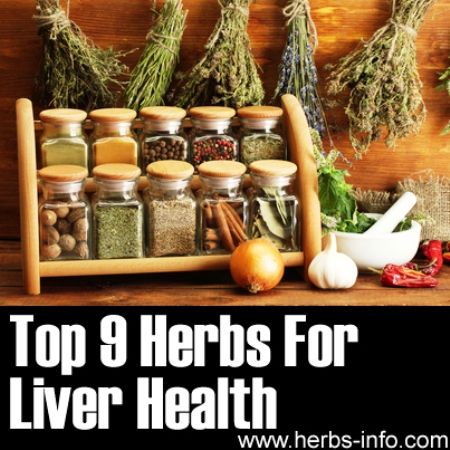
Herbs For The Liver
The liver is an organ often overlooked or underestimated. The liver cleanses the body, metabolizes nutrients and processes toxins. If liver health deteriorates, symptoms like fatigue, hormonal imbalance and headaches may begin to appear. [1] In essence, proper functioning of your other organs is dependent on liver functioning.
Many people take all sorts of medications to treat various kinds of ailments without considering their effects on the liver. With so many chemicals and synthetic drugs being ingested these days, the liver must work harder to fulfill its task of cleansing, detoxifying and purifying your body. It is ironic that something meant to treat disorders may be harmful in other ways.

Milk Thistle
One of the most popular liver herbal remedies and found in a large
number of liver tonic formulas, milk thistle is considered beneficial to the
liver because the anti-oxidant compounds of milk thistle have been found by
researchers to aid in detoxification process by flushing out toxins like
alcohol, regeneration of damaged liver tissue and stimulation of bile
production. [3] Scientists have found that one of these active compounds is
silibinin which alleviates hepatic conditions by reducing inflammation and
fibrosis. [4]Consequently, 5 clinical trial analyses involving 602 cirrhosis
patients have suggested that milk thistle can reduce liver-related mortality.
[2]
Dandelion
In a scientific study, leaf extracts of dandelion leaves were fed to
the mice for a month to investigate their hepaprotective effects. Results have
confirmed the benefits obtained in hepatic functioning were due to the herb's
antioxidant and anti-inflammatory activities. [5] Aside from its leaves, the
dandelion's roots are a popular liver aid [1] that is known throughout
centuries as a diuretic and used by herbalists to combat fatty liver and
cirrhosis. [3]

Licorice
The American Cancer Society mentions licorice as a potent herbal remedy
to treat liver diseases like hepatitis and cancer among others because of the
chemical glycyrrhizin it contains. [6] Another study reports the benefits of
licorice is linked to interferon production which is responsible for the
plant's ability to protect the liver from harmful poisons. [1]

Artichoke

Turmeric
Belonging to the same family as ginger, turmeric stimulates enzymes
that detoxify and as researchers from UCLA have discovered, can likewise fight
carcinogens by keeping malignant cells from spreading. [3] Initial researches
on liver cells have suggested turmeric extracts may block the replication of hepatitis
B virus. [2] Moreover, curcumin, the active ingredient in turmeric has been
demonstrated in clinical studies as effective in reducing liver triglycerides -
which are also linked to metabolic disorders like visceral obesity, insulin
resistance, fatty liver and diabetes. [8]
Greater Celandine
You may not have heard of this but greater celandine is probably one of
the best herbs for the liver. It is widely used in treating many hepatitis
illnesses, like jaundice, and it promotes liver detoxification. Best noted as a
blood cleanser, greater celandine is known for its analgesic, antibacterial,
anti-microbial and liver protecting abilities. Though there are limited studies
that can prove greater celandine’s effectiveness in detoxifying the liver,
researchers believe that it works by increasing the production of bile.
According to research, increased bile production eventually results to improved
digestion and detoxified liver. [9]


Chicory root
For a very long time now, chicory root extract has been widely used in
treating many liver disorders. While the ancient Romans use this herb in
cleansing their blood, old Egyptians use it to purify both the liver and the
blood. Furthermore, chicory root is believed to be effective at increasing the
body’s resistance against the formation of liver stones and gallstones.
According to research, chicory root works primarily by increasing the production of bile. By so doing, digestion is improved because excess bile can break down additional fats, which in turn results to better blood composition. In the long run, this can positively affect the health of the liver and the gall bladder. [10]
Furthermore, chicory root is also effective in protecting the liver
against the harmful effects of drinking excessive amount of coffee. The herb
can be used to treat a wide range of liver disorders because of its phenolic
compound content. Considered as a hepatoprotectant compound, phenolic inhibits
the massive damage triggered by intake of carbon tetrachloride and paracetamol.
[11]
Yellow Dock root
Considered as an excellent tonic for the liver, yellow dock root is
also a good herb that promotes the health of the liver. Generally used as a
blood purifier, yellow dock root is also famous for its liver-detoxifying
effects. Just like most herbs that are beneficial for the liver, yellow dock
root also works by enhancing the body’s bile production which results to
improved digestion.
Also, yellow dock root works by stimulating regular bowel movement
thereby preventing waste from lingering any longer at the intestinal tract. It
also promotes frequent urination. According to research, regular elimination of
waste from the body is effective in preventing the accumulation of toxins in
the bloodstream, gall bladder, and liver, most especially. [12]

Astralagus
Considered as one of the most important herbs discovered by the
Chinese, astralagus proves to be one of the most beneficial herbs for the
liver. Results of a scientific study revealed that this herb is capable of
reducing liver damage that has already been incurred as well as in protecting
the liver against further possible damage. [13]
More than its ability to lower acidity in the stomach, astralagus is
also useful in improving digestion as well as in eradicating chemical toxins
and heavy metals from the body. As mentioned earlier, improved digestion often
leads to better bowel movement. In the long run, this can affect the liver
positively. [14]
Like the above herbs which are all-natural, the American Liver
Foundation recommends natural methods like healthy diet and weight, regular
exercise, regulated / decreased alcohol intake and proper hygiene as most
effective to boost liver health. [2] As the old saying goes, prevention is
always better than cure.
Herbs For The Liver - References:
[1] http://www.naturalnews.com/027607_liver_detox_herbs.html

[2] http://altmedicine.about.com/od/aznaturalremedyindex/a/liver_herbs.htm
[3]
http://www.globalhealingcenter.com/natural-health/top-9-herbs-for-liver-cleansing/
[4] Milk thistle and its derivative compounds: a review of
opportunities for treatment of liver disease. http://www.ncbi.nlm.nih.gov/pubmed/23140176
[5] Dandelion leaf extract protects against liver injury induced by
methionine- and choline-deficient diet in mice.
http://www.ncbi.nlm.nih.gov/pubmed/23256442
[6]
http://www.cancer.org/treatment/treatmentsandsideeffects/complementaryandalternativemedicine/herbsvitaminsandminerals/licorice
[7] Artichoke--untapped potential of herbal medicine in the treatment
of atherosclerosis and liver diseases.
http://www.ncbi.nlm.nih.gov/pubmed/23421107
[8] Curcumin prevents liver fat accumulation and serum fetuin-A
increase in rats fed a high-fat diet.
http://www.ncbi.nlm.nih.gov/pubmed/23430567
[9]
http://www.buzzle.com/articles/celandine-herb-uses-and-side-effects.html
[10]
http://www.globalhealingcenter.com/natural-health/health-benefits-of-chicory-root/
[11] http://www.herbs2000.com/herbs/herbs_chicory.htm
[12]
http://www.globalhealingcenter.com/natural-health/benefits-of-yellow-dock-root/
[13] http://www.livestrong.com/article/23233-astragalus-root/
[14] http://www.natural-health-and-healing-4u.com/benefits-of-astragalus.html

Article researched and created by Cathy Ongking, © herbs-info.com 2013
Friday, July 26, 2013
The Most Powerful 10 Minutes Narrated by Joaquin Phoenix
“OF ALL THE FILMS I HAVE EVER MADE, THIS IS THE ONE THAT GETS PEOPLE TALKING THE MOST” — JOAQUIN PHOENIX
This is a clip from the earth-shattering film, Earthlings, released in 2005.
“It is just like man’s vanity and impertinence to call an animal dumb because it is dumb to his dull perceptions.” - Mark Twain
Friday, July 19, 2013
What Are Bananas Good For?
Banana-Rama
Botanical name: Musa acuminata colla; Musa sp.
There are many reasons why bananas are one of the most popular foods in
the world. They offer the perfect portion size, come in their own handy,
natural protective wrap, and are extremely economical. Fresh and creamy,
bananas mix well with other fruits and are a favorite lunchtime addition or for
noshing on the go.
One of the most cultivated tropical fruits, bananas are a close
relative to the plantain, which is larger and darker. Over centuries, bananas
have been used to settle upset stomachs (including morning sickness), reduce
stress, ease heartburn pain, relieve constipation, soothe PMS symptoms, cure
warts, and stimulate brain power. There might be something to those medicinal
uses…
Health Benefits of Bananas
Bananas contain all kinds of good things – health-promoting flavonoids
and poly-phenolics, such as lutein, zeaxanthin, beta and alpha carotenes,
acting as free radical-gobbling antioxidants. That’s also an advantage in the
high vitamin C content, most known for its infection-fighting properties.
Just one banana contains 467 mg of potassium, which is important for
controlling your heart rate and blood pressure. This is interesting, since the
same amount of banana has just one milligram of sodium. The vitamin B6
(pyridoxine) in bananas provides around 28% of what is needed daily to help
prevent anemia and coronary artery disease.
And that’s just part of it. Fiber in abundance helps keep your
digestive system regulated. Magnesium helps strengthen your bones and protects
your heart. Manganese is needed to activate antioxidant enzyme. One banana
supplies an adequate amount of copper to keep up the production of red blood
cells.
Note: You can freeze bananas, but if you refrigerate them, they’ll turn
black.
Bananas Nutrition Facts
Serving Size: One cup of sliced bananas (150 grams)
- Calories: 133
- Carbohydrates: 34 g
- Sugar: 18 g
- Fiber: 4 g
- Protein: 2 g
- Sodium: 2 mg
Studies Done on Bananas
Research showed that among fruits and vegetables proven to be
associated with cutting your risk of renal cell carcinoma, bananas were the
highest1. Another study showed that bananas, which are rich in vitamin A and
carotenoids, have the potential to protect you against chronic diseases like
diabetes, cardiovascular disease, and other types of cancer2.
More positive proof of banana’s singular health benefits emerged in a
study showing an important link between foods containing high levels of
potassium, magnesium, calcium and fiber – like bananas, for instance – and a
reduction in the risk of stroke in men3.
Banana Healthy Recipe: Banana Muffins
Ingredients:
- 1¼ cups rice flour
- ¼ teaspoon salt1
- ½ teaspoons baking powder
- ¼ cup walnuts, toasted and chopped
- 2 sticks unsalted butter, softened
- 1/3 cup honey
- 1½ cups mashed bananas
- 2 eggs, whipped
Procedure:
- Preheat oven to 350°F. Place walnuts in a single layer on a baking sheet and cook for 10 minutes. Remove from oven, set aside to cool. Chop when cool enough to handle.
- In a medium bowl, combine flour, salt, baking powder, and walnuts.
- In a small bowl, combine butter and honey until creamed. Add bananas and whipped eggs.
- Add butter and banana mixture to flour mixture and gently mix. Spoon into oiled muffin tins.
- Bake for 35 to 40 minutes.
- This recipe makes 12 muffins.
(From Healthy Recipes for Your Nutritional Type by Dr. Mercola)
Banana Fun Facts
Bananas probably originated in Malaysia; transported by early explorers
to India, where they were first referenced in sixth century BCE Buddhist
writings. Alexander the Great tried his first banana while on campaign in India
and is said to have brought the fruit to the Western world.
Summary
The “why they’re so healthy” list is a long one – good thing bananas
are so easy to eat! Potassium, vitamins A, C, and B6, fiber, flavonoids, and
antioxidants – it’s all there, wrapped in a convenient, protective package.
This tropical fruit that was up to a century ago practically unknown
throughout North America, Europe, and even China’s mainland is now a common
food staple. You can even dehydrate them to enjoy alone or add to trail mix.
However thin you slice bananas, rest assured they’re good and good for
you. However, eat bananas in moderation because they contain fructose, which is
harmful to your health when consumed in excessive amounts.
Other sources:
http://nutritiondata.self.com/facts/fruits-and-fruit-juices/1846/2
http://www.nutrition-and-you.com/banana-fruit.html

http://www.banana.com/history.html

http://www.whfoods.com/genpage.php?tname=foodspice&dbid=7
References:
1 Fruits, vegetables and risk of renal cell carcinoma: a prospective
study of Swedish women, Fruits, vegetables and risk of renal cell carcinoma: a
prospective study of Swedish women, Aug. 2012
2 http://www.ncbi.nlm.nih.gov/pubmed/14870618, Carotenoid-rich bananas:
a potential food source for alleviating vitamin A deficiency, Aug. 2012
3 http://www.ncbi.nlm.nih.gov/pubmed/9743511, Intake of potassium,
magnesium, calcium, and fiber and risk of stroke among US men, Aug. 2012Article Source: http://foodfacts.mercola.com/banana.html
Monday, July 15, 2013
BeWellBuzz Interview: Acupuncture & Cleansing with Dr Thomas Kuou
By BeWellBuzz
In our quest to balance our body and cleanse, we decided to add acupuncture sessions to our 30 day protocol.
So why Chinese Medicine and Acupuncture?
Chinese medicine does a great job of finding areas of energy that are out of balance in the body and the treatment of acupuncture helps return those areas back into equilibrium.
Interview: Acupuncture & CleansingOksana interviews one of America’s leading acupuncturists, Dr. Thomas Kouo, about cleansing, Chinese Medicine and acupuncture.
Thomas is among only a handful of people in the United States to have completed studies for the degree of Doctor of Acupuncture and Oriental Medicine (D.A.O.M.) from an institution accredited by the Accreditation Commission for Acupuncture and Oriental Medicine (ACAOM).
He is one of the six original Acupuncturists to work in UCSD’s Center of Integrative Medicine (CIM) as a fully credentialed physician within the UCSD hospital system.

Subscribe to:
Posts (Atom)