Friday, October 18, 2013

The Power of MALUNGAY

 photo moringa.jpg

Moringa Water Treatment

In addition to food, shelter and clothing, water is one of our basic human needs and lack of potable water is a major cause of death and disease in our world. The purpose of this document is to provide information on household water treatment using seeds of the Moringa oleifera tree.

Using natural materials to clarify water is a technique that has been practiced for centuries and of all the materials that have been used, seeds of the Moringa have been found to be one of the most effective. Studies have been conducted since the early 1970's to test the effectiveness of Moringa seeds for treating water. These studies have confirmed that the seeds are highly effective in removing suspended particles from water with medium to high levels of turbidity (Moringa seeds are less effective at treating water with low levels of turbidity).

Theory

Moringa oleifera seeds treat water on two levels, acting both as a coagulant and an antimicrobial agent. It is generally accepted that Moringa works as a coagulant due to positively charged, water-soluble proteins, which bind with negatively charged particles (silt, clay, bacteria, toxins, etc) allowing the resulting “flocs” to settle to the bottom or be removed by filtration. The antimicrobial aspects of Moringa continue to be researched. Findings support recombinant proteins both removing microorganisms by coagulation as well as acting directly as growth inhibitors of the microorganisms. While there is ongoing research being conducted on the nature and characteristics of these components, it is accepted that treatments with Moringa solutions will remove 90-99.9% of the impurities in water.

 photo moringa2.jpg


Water Treatment with Moringa Seeds

Solutions of Moringa seeds for water treatment may be prepared from seed kernels or from the solid residue left over after oil extraction (presscake). Moringa seeds, seed kernels or dried presscake can be stored for long periods but Moringa solutions for treating water should be prepared fresh each time. In general, 1 seed kernel will treat 1 liter (1.056 qt) of water.

Dosage Rates: 
  • Low turbidity NTU < 50 1 seed per 4 liters (4.225 qt) water 
  • Medium turbidity NTU 50 - 150 1 seed per 2 liters (2.112 qt) water 
  • High turbidity NTU 150 - 250 1 seed per 1 liter (1.056 qt) water
  • Extreme turbidity NTU > 250 2 seeds per 1 liter (1.056 qt) water

Instructions to Clean Water with Moringa Seeds
  1. Collect mature Moringa oleifera seed pods and remove seeds from pods.
  2. Shell seeds (remove seed coat) to obtain clean seed kernels; discard discolored seeds.
  3. Determine quantity of kernels needed based on amount and turbidity of water; in general 1 seed kernel will treat 1 liter (1.056 qt) of water.
  4. Crush appropriate number of seed kernels (using grinder, mortar and pestle, etc) to obtain a fine powder and sift the powder through a screen or small mesh.
  5. Mix seed powder with a small amount of clean water to form a paste.
  6. Mix the paste and 250 ml (1 cup) of clean water into a bottle and shake for 1 minute to activate the coagulant properties and form a solution. 
  7. Filter this solution through a muslin cloth or fine mesh screen (to remove insoluble materials) and into the water to be treated.
  8. Stir treated water rapidly for at least 1 minute then slowly (15-20 rotations per minute) for 5-10 minutes.
  9. Let the treated water sit without disturbing for at least 1-2 hours.
  10. When the particles and contaminates have settled to the bottom, the clean water can be carefully poured off. 
  11. Mix seed powder with a small amount of clean water to form a paste.
  12. Mix the paste and 250 ml (1 cup) of clean water into a bottle and shake for 1 minute to activate the coagulant properties and form a solution.
  13. Filter this solution through a muslin cloth or fine mesh screen (to remove insoluble materials) and into the water to be treated.
  14. Stir treated water rapidly for at least 1 minute then slowly (15-20 rotations per minute) for 5-10 minutes.
  15. Let the treated water sit without disturbing for at least 1-2 hours.
  16. When the particles and contaminates have settled to the bottom, the clean water can be carefully poured off.
  17. This clean water can then be filtered or sterilized to make it completely safe for drinking.


DANGERS
Secondary Infection: The process of shaking and stirring must be followed closely to activate the coagulant properties; if the flocculation process takes too long, there is a risk of secondary bacteria growth during flocculation.

  • Recontamination: The process of settling is important. The sediment at the bottom contains the impurities so care must be taken to use only the clear water off the top and not allow the sediment to re-contaminate the cleared water.
  • Additional contaminants: Moringa treatment does not remove 100% of water pathogens.
  • It is acceptable for drinking only where people are currently drinking untreated, contaminated water.

By Beth Doerr, ECHO Staff
Source: http://miracletrees.org/moringa_water_purification.html

Bookmark and Share

Thursday, October 17, 2013

Stand up for your right to safe food !

 photo rice2.jpg


PLEASE SIGN UP THE PETITION AND SHARE THIS MESSAGE WITH YOUR FRIENDS AND FAMILIES WHO WANT TO STAND UP FOR RICE AND THE RIGHT TO SAFE FOOD...here!
STAND UP FOR YOUR RICE!
Rice is the Philippines’ main staple and is also consumed by more than half of the world’s population every day. The diversity of our rice is a valuable resource for developing new varieties with improved yields and can withstand diseases and environmental conditions without compromising human health and the environment. However this resource is now being threatened by plans to release and commercialize Golden Rice to address Vitamin A deficiency (VAD) in the country. 

However, these should be our concern: 
  • Golden rice is a genetically engineered crop, that can have irreversible damage to health, food security, environment, culture, farmers and communities. More than 60 countries have imposed moratoria or outright bans on GMOs to adopt the precautionary principle. 
  • The Philippines does not have a biosafety law nor the capacity and resources to conduct robust risk assessments for GMOs intended for field testing, food, feed and propagation. The current regulatory process for GMOs is flawed and is only based on risk assessments conducted by the company who owns these GMOs.
  • Any deliberate release of GMOs can contaminate conventional crops. This also means that the more than 80 GMOs allowed for importation for food, feed and processing and 8 GMO corn varieties allowed for commercial propagation in the country actually challenge the integrity of the 2010 National Organic Agriculture Act. 
  • Covered by expensive patents, Golden Rice and other GMOs can deprive farmer’s access, control and stewardship over plant genetic resources which have been nurtured, exchanged and shared across communities for generations.
  • The incidence of VAD have been significantly reduced to 15% for children as of 2008 and there are already solutions in place to address VAD and other micronutrient deficiencies. The funds that are being wasted on Golden Rice research and development should instead be used on solutions that are already working which include fortification of foods and Vitamin A supplementation capsules. Having a diverse diet is still the best solution to VAD. 
Say no to Golden Rice! Let us demand access to safe, healthy, nutritious and sufficient food that is produced through ecological agriculture. 

 photo rice3.jpg

Bookmark and Share

Monday, October 14, 2013

Wednesday, October 09, 2013

DANGEROUS PROCESSED MEATS!


 photo meat.jpg

The World Cancer Research Fund (WCRF) has just completed a detailed review of more than 7,000 clinical studies covering links between diet and cancer.  Its conclusion is rocking the health world with startling bluntness: Processed meats are too dangerous for human consumption. Consumers should stop buying and eating all processed meat products for the rest of their lives.

Processed meats include bacon, sausage, hot dogs, sandwich meat, packaged ham, pepperoni, salami and virtually all red meat used in frozen prepared meals. They are usually manufactured with a carcinogenic ingredient known as sodium nitrite. This is used as a color fixer by meat companies to turn packaged meats a bright red color so they look fresh. 

Unfortunately, sodium nitrite also results in the formation of cancer-causing nitrosamines in the human body. And this leads to a sharp increase in cancer risk for those who eat them.

A 2005 University of Hawaii study found that processed meats increase the risk of pancreatic cancer by 67 percent. Another study revealed that every 50 grams of processed meat consumed daily increases the risk of colorectal cancer by 21 percent. These are alarming numbers. Note that these cancer risks do not come from eating fresh, non-processed meats. They only appear in people who regularly consume processed meat products containing sodium nitrite.

Sodium nitrite appears predominantly in red meat products (you won’t find it in chicken or fish products). Here’s a short list of food items to check carefully for sodium nitrite and monosodium glutamate (MSG), another dangerous additive:
  • Beef jerky
  • Bacon
  • Sausage
  • Hot dogs
  • Sandwich meat
  • Frozen pizza with meat
  • Canned soups with meat
  • Frozen meals with meat
  • Ravioli and meat pasta foods
  • Kid’s meals containing red meat
  • Sandwich meat used at popular restaurants
  • Nearly all red meats sold at public schools, restaurants, hospitals, hotels and theme parks

If sodium nitrite is so dangerous to humans, why do the FDA and USDA continue to allow this cancer-causing chemical to be used? The answer, of course, is that food industry interests now dominate the actions by U.S. government regulators. The USDA, for example, tried to ban sodium nitrite in the late 1970′s but was overridden by the meat industry.5 It insisted the chemical was safe and accused the USDA of trying to “ban bacon.”

Today, the corporations that dominate American food and agricultural interests hold tremendous influence over the FDA and USDA. Consumers are offered no real protection from dangerous chemicals intentionally added to foods, medicines and personal care products.

You can protect yourself and your family from the dangers of processed meats by following a few simple rules:


  1. Always read ingredient labels.
  2. Don’t buy anything made with sodium nitrite or monosodium glutamate.
  3. Don’t eat red meats served by restaurants, schools, hospitals, hotels or other institutions.

And finally, eat more fresh produce with every meal. There is evidence that natural vitamin C found in citrus fruits and exotic berries (like camu camu) helps prevent the formation of cancer-causing nitrosamines, protecting you from the devastating health effects of sodium nitrite in processed meats. The best defense, of course, is to avoid eating processed meats altogether.


Article retrieved from:http://institutefornaturalhealing.com/2012/04/processed-meats-declared-too-dangerous-for-human-consumption/

Bookmark and Share

Tuesday, October 08, 2013

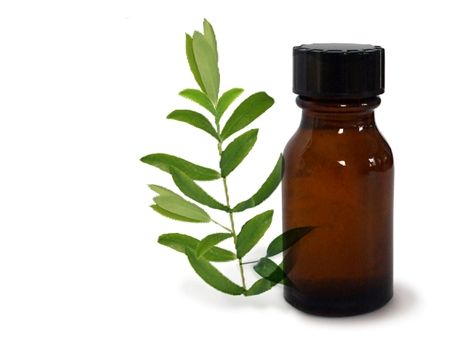
The Wonderful Tea Tree Oil!

 photo tea.jpg

Tea Tree Oil (Melaleuca Oil} is extracted from the leaves of the Melaleuca Alternifolia, which is native to Southeast Queensland and the Northeast coast of New South Wales, Australia. It has anti-septic, anti-fungal, anti-bacterial and anti-inflammatory properties. Rubbing Tea Tree Oil on your teeth and gums makes this invaluable for aiding in the protection of your teeth and warding off infections. Add a few drops to a tablespoon of coconut oil apply to the gums. Note tea tree oil can cause irritation and cause allergies although the chance of this occurring is low.

You can also add a few drops of the oil in filtered water for gargling and swishing to aid in healing from infection or for general protection of the teeth and gums. Also, by adding a few drops of tea tree oil mixed with coconut oil to any sore areas is great for reducing inflammation. It is beneficial in treating the symptoms of oral candidiasis by using it as a mouth rinse.

Tea Tree Oil has proven antibiotic properties. A topically applied tea tree oil gel was evaluated in a double-blind placebo-controlled study involving 49 people with severe chronic gingivitis. They were told to brush twice a day and were assessed after 4 and 8 weeks. The group that brushed with tea tree oil had a significant reduction in the degree of gingivitis and bleeding.

A great mouth wash that may be much safer than regular mouthwash containing many questionable chemicals is simple to make. Place a few drops of tea tree oil and/or a few drops of peppermint oil in a cup of warm water and store for seven days in the refrigerator.

Using tea tree oil as part of your natural dental health maintenance program can do wonders to the health of your teeth.  Tea Tree Oil mixed with coconut oil as mentioned above can be used as a very cleansing toothpaste without toxic chemicals commonly found in many supermarket toothpastes and will also help enhance healthy teeth. Also the simple act of massaging the oils with your finger on your gums and teeth will get the blood circulating that can enhance healing.

Tea tree oil should not be swallowed and be used in its pure form. You should check with your dentist or doctor if you are pregnant or have other health issues.

References:

http://www.ncbi.nlm.nih.gov/pubmed/15293818

Save Your Teeth Self Care – Recipes and Natural Approaches: http://www.authenticdiscovery.com.au/ebook-store

Bookmark and Share

Monday, October 07, 2013

Ramfah sa Mindanao!

Sa wakas, sinipag akong magsulat ngayon dito sa blog ko.  Pangako, sisipagan ko na talaga ang magsulat, medyo ginaganahan na ulit eh.  Huwag lang mahu-hook ulit ng Facebook!

Nagkaroon ulit ako ng pagkakataon na makapunta sa Mindanao (medyo napapadalas ngayong taon actually, well, sana nga parati, huwag lang ngayong taon)...at siyempre, kapag ako nakapunta ng Mindanao, kahit malayo, kailangan kong rumamfah ng Davao, ang paborito kong lungsod sa Pilipinas!


Pero, bago ako maglakwatsa ng Davao, trabaho muna…at ang destinasyon ko naman ngayon eh HINATUAN at MARIHATAG ng Surigao del Sur.  Grabeh, malayo pala ang byahe galing Davao.  Lima  o anim (5 o 6) na oras ang byahe, pero okay lang, nakakapagod pero enjoy naman, maganda ang mga daan pati na rin mga tanawin.  Magaganda talaga ang daan dito sa Mindanao at ang kabutihan pa n'un, walang bayad o toll fee!

 photo Mindanao_regions.png
Mapa muna tayo ng Mindanao.  Sa dilaw na bahagi ako medyo naligaw, at grabeh, malayong byahe pala siya!

 photo surigao.jpg
At ayun ang HINATUAN at MARIHATAG! Talaga pa lang nasa gilid sila ng Mindanao! At nakaharap mismo sa Pacific Ocean!

Sa Hinatuan Surigao del Sur muna kami pumunta, at bago magsimula ang aming trabaho, habang naghihintay, naggala-gala muna ako at marami akong magandang nakita!  

Eto...

 photo pagasa-1.jpg
May doppler radar pala ang PAGASA d’un, isang malaking tore na kumukuha ng taya ng panahon, na mukhang isang malaking….

 photo hinatuan-1.jpg
Terminal papuntang HInatuan, kada 30 minuto ay may dumadaan na mga sasakyan, tulad ng bus, Starrex Van (sosyal, pampasahero lang nila ‘yun!), tricycle, at habal-habal!  Nasa tabi mismo 'to ng dagat.  

 photo hinatuan2-1.jpg
Eto terminal nila, mas malapitan na kuha.

Interesado ako sa habal-habal, iba't-ibang lugar kasi, kakaiba!  Eto 'yung medyo madalas na makikita...  

 photo habal-1.jpg
Kitams!

Pero, sa Hinatuan,, iba ang nakita ko! Sanay akong makakita ng habal-habal, kaso kakaiba ‘yung version na nakita ko dito…may bubong!

 photo habal2-2.jpg
Eto, may nakita kong nakatigil sa terminal.  Heheheh, may bubong!  Para nga naman ‘di mabasa ang mga pasahero.  At ‘yung iba, may seatbelt pa raw! Saan ka na!

Gusto ko sanang sumakay, kaso wala akong oras at takot ako, heheheh...kaya kinausap ko ang isang drayber at tinanong ko na lang kung paano pumunta sa Hinatuan Enchanted River.  Sikat na sikat na puntahan kasi ‘yun sa lugar na ‘yun.  Malapit na lang daw ‘yun, kaso wala pa akong panahon makapunta d’un.  Sa susunod na lang, at least ngayon alam ko na kung paano pumunta d’un.

Tapos, sa paglalakad ko, may nakita akong grupo ng mga tao na abalang-abala, na-curious ako, kaya’t pinuntahan ko.

 photo fishing-1.jpg
Abalang-abala sila sa kung ano man ang ginagawa nila.  Ano kaya 'yun?

 photo fishing2-1.jpg
Mga taong namimingwit ng isda na gamit lang ang sima at tanse.  Walang fishing rod, simple lang pero ayos!

 photo fishing3-1.jpg
At marami sila, ma-matanda, ma-bata! Kada umaga, ganito ang makikita mo dito.  

 photo fishing4-1.jpg
Meron na ngang hinuhugasan ang kanyang mga nahuli...may ulam na si manong!


 photo fishing5-1.jpg
At eto, may malaking nahuli!

 photo fishing6-1.jpg
Sa tabihan lang ‘yan, pero kaya nilang makahuli ng malaki at mamahaling isda!

At sa paligid ay makikita ang maraming mga bangka.  Naisip ko tuloy, sa tabi pa lang, mamahaling isda na ang nahuhuli nila, ano pa kaya kung sa dagat mismo?

 photo boats.jpg
Eto 'yung mga bangka nila.

Nag-enjoy ako ng husto sa paglilibot, pero naalala ko na kailangan ko ng bumalik sa lugar namin para sa activity, kaya dali-dali akong bumalik. 

Okay naman ang naging takbo ng activity namin at napahanga ako sa local choir nila.  Ang mga miyembro ay empleyado rin ng gobyerno.  Kumanta sila ng panalangin, pambansang awit at awit ng bayan nila (Hinatuan hymn).  ‘di nga ako nakapagpigil at tinanong ko ‘yung organizer kung pwedeng pumalakpak pagkatapos ng awit nila, napangiti siya, heheheh….

 photo choir-1.jpg
Okay sa olrayt!  May bonus pa na kanta ni Jason Mraz! Updated ah!  Sorry, nakalimutan ko name nila...pero sa LGU ng Hinatuan naman sila eh, madaling malaman.

At nang matapos ang activity, byahe naman papuntang MARIHATAG, Surigao del Sur.  Pero, bago kami pumunta d'un, nagpalipas muna kami ng isang gabi sa isang resort malapit d’un…KANISULAD resort (sorry ‘di ako sigurado sa pangalan).  Gabi na kami ng makarating sa resort.  Madilim na kaya ‘di na makita ang dagat, pagkatapos kumain ng hapunan, nagpahinga na kami kaagad. 

Okay naman sana ‘yung resort, malawak ang mga kwarto, kaso hindi maganda ang serbisyo.  Kape lang ‘di pa kayang i-serve ng mga tauhan.

Kinaumagahan, ramfah galore!

 photo resort-1.jpg
Maganda ‘yung bakawan nila…mga bakawan sa ibabaw ng purong batong bundok mismo!  Unas o kati (low tide) n’ung umaga, kaya nagawa ko pang makalakad sa ilalim ng bakawan.

 photo resort2-1.jpg
At eto ‘yung mga cottage nila…maganda at sobrang barato hah!

 photo resort3-1.jpg
Happy!


 photo resort4-1.jpg
At may tore pa!

 photo resort5-2.jpg
Feeling may-ari!

 photo resort6.jpg
Ramfah pah!

Pagkakain ng agahan, alis na papuntang MARIHATAG naman.  Isang oras din na byahe.  Maaga kaming nakarating at bago magsimula ang aming activity, takas muna papuntang dagat. 

 photo beach-1.jpg
Grabeh, nasa dalampasigan kami, pero ang kita at ramdam naming ang lakas ng alon, nakakatakot!

Tapos, balik na kaagad ulit, pero sa pagbalik, nakakita ulit ako ng habal-habal at nakapagpa-picture na rin ako sa wakas!

 photo habal3.jpg
Sa wakas!

Tapos, n’ung pahinga n’ung tanghalian, nakatakas ulit ako para makapaglibot-libot ulit...at marami nga akong mga interesanteng nakita!

 photo terminal.jpg
Eto ‘yung terminal nila.

 photo terminal2-1.jpg
Maraming habal-habal sa terminal nila!

 photo terminal3.jpg
Habal-habal in action!  Nakakatuwa talagang panoorin!

 photo hardworker.jpg
Isa pang klase ng habal-habal na karaniwang ginagamit sa pangkalakal o negosyo, grabeh talagang dumiskarte ang Pinoy!

Tapos, may nakita ako na akala ko suman.  Well, para kasi siyang suman, pero gamot o tambal daw nila, lalo na sa masasakit ang tiyan.  “Pili” ang tawag nila.  Gawa sa katas o dakta ng pili, ‘yung wax!  Kuha ng kapiraso, tunawin sa mainit na tubig at inumin.  Uutot ng uutot daw ang mangyayari para mawala ang sakit ng tiyan!

 photo pili.jpg
Pampautot!

Hapon na rin kami natapos sa activity namin, at saka lumarga.  Sa paglarga, nadaanan naming ang isang rest area na ang ganda ng tanawin – mga bakawan!

 photo lookout-1.jpg 
Graveh, ang ganda ng view!

Gabi na kami nakarating sa hotel, sa SanFran naman kami natulog, at the usual, kain lang at tulog ulit.

Kinabukasan, byahe na papuntang Davao City, at siyempre excited talaga.  At pagdating nga ng Davao, ramfah! 

Kinagabihan, sa MTS naman ako rumamfah.  Tuwang-tuwa ako, kasi nataymingan ko na P.L.O. o Popong Landero Organization ang tumutugtog.  Paborito ko sila at napakagaling talaga!  Napakaswerte ko pa at tinugtog nila ang mga paborito kong kanta nila, walang kupas!

 photo plo-1.jpg
P.L.O.

Haaay, at n’ung natapos, balik hotel....tulog!

Kinaumagahan, airport na…masaya na malungkot.  Masaya kasi nakabalik ulit ng Mindanao, malungkot kasi mami-miss ko na naman.
  
Bookmark and Share

Wednesday, October 02, 2013

Tuesday, October 01, 2013

Related Posts with Thumbnails